

In this article8 sections
A website and a web application can look similar in a browser, but they solve different problems. A business website helps people understand your offer and take the next step. A web application lets people complete a task: manage an account, review a dashboard, make a booking or carry out a business workflow.
The useful question is not which technology sounds more advanced. It is what your users need to do, and how your team will operate the product after launch. This guide gives you a practical way to scope that decision before requesting development quotes.
Start with the task, not the platform
Write the three most important actions a visitor should be able to complete. For a consultancy, these might be understanding the service, reading relevant work and submitting a project enquiry. For a customer portal, they might be signing in, uploading a document and checking its status.
The first set usually points towards a content-focused website. The second introduces accounts, permissions, private data and application logic. That changes the development scope, even if the visual design is simple.
When a business website is the right starting point
A website is often the practical choice when your main goal is to explain your business, publish content, generate enquiries or sell through an established ecommerce platform. Your marketing team needs reliable editing tools; your visitors need clear information and an easy route to enquire or buy.
- Service businesses: useful service pages, relevant project evidence and a focused contact form.
- Content teams: editable pages, resource libraries and a manageable publishing workflow.
- Retail brands: product discovery, store operations and checkout on an ecommerce platform.
Custom WordPress development can suit content and service websites. Shopify development can suit ecommerce needs. A custom interface may still be useful, but it should solve a real requirement rather than add complexity for its own sake.
When you need a web application
A web application becomes relevant when people need to work with data or complete a process that a normal content website cannot support. Examples include a customer portal, an internal operations dashboard, a booking workflow or a product with different user roles.
Before choosing a stack, define who can see and change each type of data. A staff member, customer and administrator may need different permissions. Map the important steps and the systems the application must connect to, such as a CRM, inventory tool or payment provider.
Full-stack web development can combine a React or Next.js interface with backend services and a database. The architecture should follow your workflow, integration requirements and maintenance plan. A framework name alone does not tell you whether a product will be fast, secure or easy to maintain.
Compare the scope before comparing quotes
Two quotes can describe the same screens but include very different work. A portal estimate might include the interface while leaving out permissions, error handling, email notifications, data migration and deployment. Those omissions can become expensive surprises.
- Accounts and access: who needs to sign in, and what can each role do?
- Integrations: which systems connect, and what happens when an API fails?
- Content and data: who supplies the content, and does existing data need migration?
- Testing: which journeys, browsers and device sizes are included?
- Handover: who owns the domain, hosting account, source code and documentation?
- Support: what is included after launch, and what is a separate ongoing cost?
Ask each development partner to state the deliverables, assumptions and exclusions. Compare the same scope instead of judging a headline price in isolation.
What EU, UK and US teams should clarify with a remote development partner
If your business is in the Netherlands, Germany, elsewhere in the EU, the UK or the US, clarify how collaboration will work across locations. Agree the language of documentation, meeting times, who approves decisions and how changes to scope are handled.
For multilingual or multi-market projects, list the languages, currencies and regional user journeys before design begins. Include accessibility, privacy and data-handling requirements in the brief so the right technical and professional review can be planned. A development proposal should explain the implementation scope; it should not use a vague compliance promise in place of that work.
A project brief you can copy
You do not need a long specification to start a useful conversation. Send a short brief with these details:
- Business goal: what should improve after the project launches?
- Users: who will use it, and in which markets?
- Key tasks: the three actions they must be able to complete.
- Existing systems: your current website and any required integrations.
- First release: what is essential now, and what can wait?
- Constraints: budget range, currency, launch window and internal resources.
For example: “We need a portal where customers can sign in, submit service requests and track progress. Our support team needs an administration view. It should connect to our current CRM. The first release can exclude online payments.” That is more useful than a request to “build a platform like a large competitor”.
Can a website and web application work together?
Yes. A public website can explain the product and attract enquiries, while a separate application handles customer or staff workflows. You can also improve a current website while building a narrowly scoped application alongside it. There is no need to rebuild everything at once if a smaller first release meets the business goal.
Discuss the right approach for your project
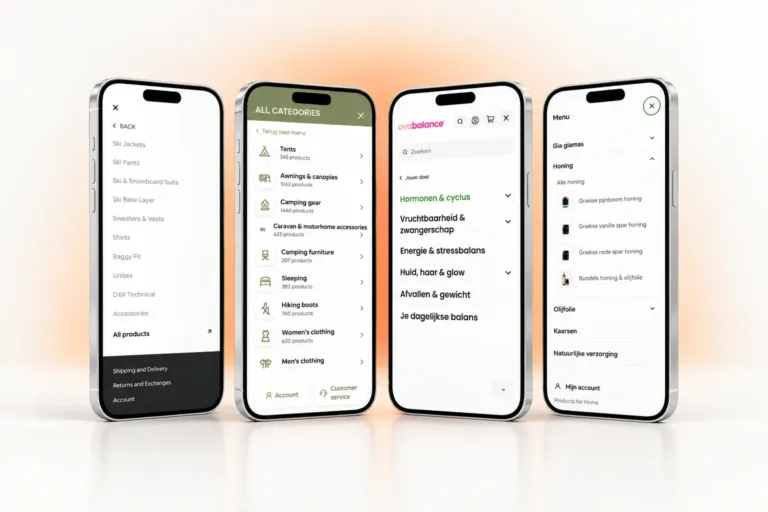
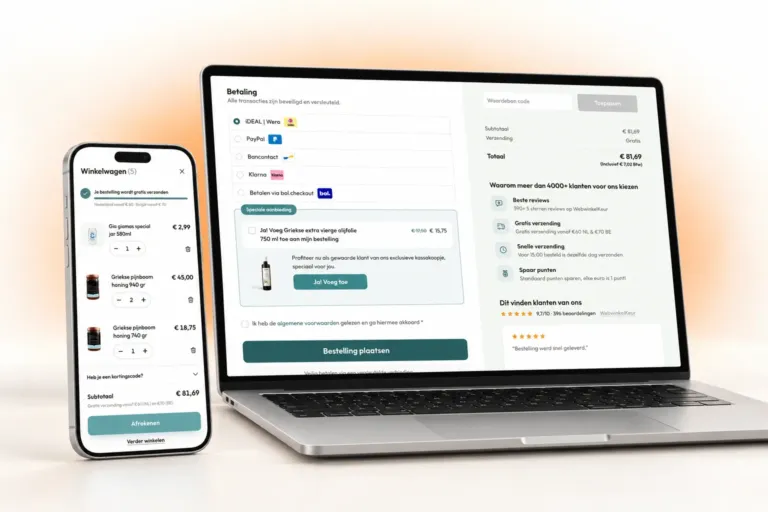
AvixDigital works on custom websites, ecommerce and web applications for international businesses. Our European project experience includes work with Rehall, Ovabalance, Kampeerwinkel Roermond, World of Alps and Ziener. The Rehall and Ovabalance project examples show ecommerce work; the scope of your application should be assessed separately.
Share your project brief with AvixDigital. Include your goals, users, essential features and preferred launch window so we can discuss a practical next step.